
Radon Gas Abatement Service in Chicago, IL
We proudly provide Radon Gas Abatement services in Chicago, IL and nearby communities, helping homeowners and real estate professionals understand what to expect during radon abatement to ensure safe, effective mitigation of radon gas.
If you're exploring what to expect during radon abatement, you've come to the right place. Radon mitigation is a common concern for property owners in Chicago, IL, especially given the area's unique building styles and underground conditions that can influence radon levels. Our team specializes in installing effective radon mitigation systems tailored to residential and commercial properties, helping to reduce radon exposure and improve indoor air quality. Understanding the process can ease concerns and prepare you for the steps involved, whether you're a homeowner, real estate professional, or managing a property. Keep reading to learn more about how radon abatement works and what you can anticipate during the installation or testing process.
During radon abatement, the focus is on safely and efficiently reducing radon levels within a property. The process typically involves installing a venting system that draws radon from beneath the foundation and releases it outside, preventing it from accumulating indoors. Our team works carefully to assess the specific needs of each property, whether that involves interior, exterior, or thru-garage attic systems, as well as additional services like crawlspace encapsulation or foundation crack repairs. Property owners in Chicago often choose radon abatement to protect their families, tenants, or investment, especially since radon can seep into homes through foundation cracks or gaps. By understanding what to expect during radon abatement, you can feel confident in the steps taken to create a safer, healthier indoor environment.
- Residential radon mitigation system installation - homeowners in Chicago neighborhoods like Lincoln Park or Hyde Park may need this work to reduce radon levels and ensure safety during the abatement process.
- Crawlspace encapsulation and moisture barrier installation - when moisture or radon concerns are present in basements or crawlspaces in areas such as Evanston or Oak Park, our team provides comprehensive solutions.
- Interior radon vent pipe installation - during what to expect during radon abatement, we often install vent pipes inside homes to effectively draw radon from the living space.
- Foundation crack repairs and sump pump lid modifications - if foundation issues or water intrusion are affecting radon levels, our team addresses these to improve overall mitigation effectiveness.
- Passive system activation and system testing - we perform testing and activate passive radon mitigation systems to ensure proper function as part of the abatement process.
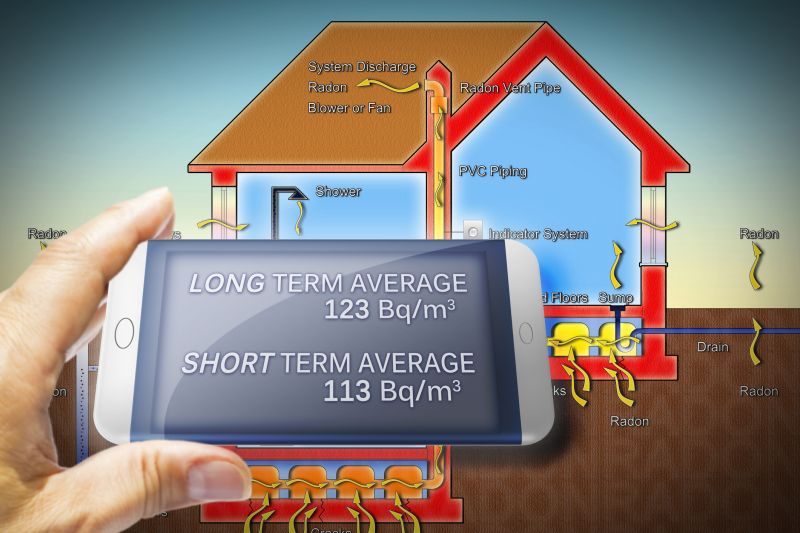
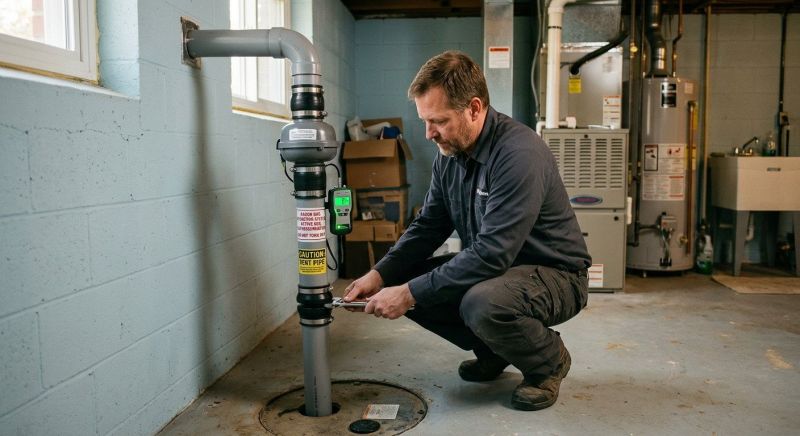
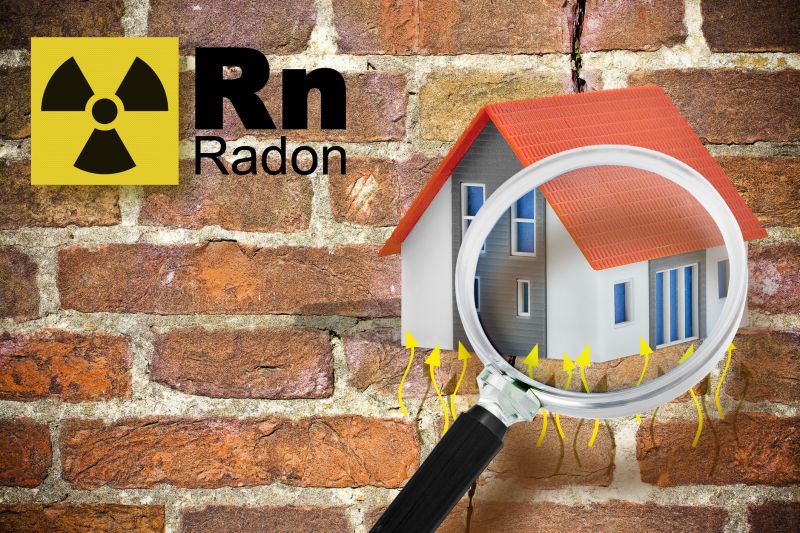
When people search for what to expect during radon abatement, they are usually trying to understand the process involved in reducing radon levels within a property. Radon abatement refers to the installation of systems designed to lower radon gas concentrations, which can pose health risks if left unaddressed. Homeowners, real estate agents, and property managers often seek this information when preparing for a radon mitigation project, whether for a new home purchase, a sale, or ongoing property management. The goal is to gain clarity on what the work entails, how it might impact daily life, and the steps involved in creating a safer indoor environment.
Radon abatement is typically associated with problems related to elevated radon levels detected through testing. Properties with high radon readings often require mitigation to meet safety guidelines. These issues are common in homes built on certain types of soil or in areas where radon naturally accumulates. The plans for radon abatement usually involve installing a venting system that draws radon from beneath the foundation and releases it safely outside. In some cases, additional measures like sealing foundation cracks or encapsulating crawlspaces are incorporated to improve the system’s efficiency. Our services are tailored to address these specific problems, ensuring that the mitigation process effectively reduces radon levels.
The types of properties that come up during radon abatement projects are diverse but tend to include residential homes, especially those with basements or crawlspaces, and certain commercial buildings. In Chicago, IL, and nearby communities, many older homes or those with specific foundation types are more likely to require mitigation. Single-family residences, multi-family complexes, and even some commercial spaces with basements or underground levels can be affected. Our team works with a wide range of property types, providing solutions that fit the unique structure and layout of each property. This flexibility ensures that whether it’s a new construction, a historic home, or a commercial building, the radon abatement process is effective and minimally disruptive.
Understanding what to expect during radon abatement helps homeowners and property professionals prepare for the work involved. The process generally begins with a thorough assessment, followed by the installation of a venting system, which may include exterior or interior piping, depending on the property. Work is usually completed with minimal disturbance to the living or working space, and the system is designed to operate quietly and efficiently. After installation, a follow-up testing process confirms that radon levels have been reduced to acceptable levels. We proudly provide Radon Gas Abatement services in Chicago, IL, and nearby communities, ensuring that each project is handled professionally to create safer indoor environments.
Understanding what to expect during radon abatement is essential for homeowners, real estate professionals, and builders alike. Our company specializes in providing comprehensive radon mitigation services tailored to residential and commercial properties throughout Chicago, IL and nearby communities. During the process, our experienced team assesses the property’s unique layout and radon levels to determine the most effective solution. This often involves installing specialized mitigation systems, such as sub-slab depressurization or interior and exterior venting, designed to reduce radon concentrations safely and efficiently. We prioritize clear communication and professionalism throughout every step, ensuring clients are informed about the procedures involved and what to anticipate during the installation or testing phases.
When it comes to radon abatement, preparation and understanding of the process can help ease concerns. Typically, the work begins with a thorough inspection of the property, including areas like the basement, crawlspace, garage attic, or other potential entry points for radon. The installation of mitigation systems may involve minimal disruption, such as creating small access points or vents, but our team takes care to minimize inconvenience. In some cases, passive system activations or crawlspace encapsulation with moisture barriers are performed to enhance radon reduction and moisture control. Throughout the process, safety measures are observed, and the work is carried out with a focus on quality craftsmanship to ensure long-lasting results.
Post-installation, the focus shifts to verification and ongoing management. Our company offers residential radon testing services to confirm the effectiveness of the mitigation systems and ensure radon levels are brought within safe limits. We also provide guidance on maintaining the installed systems, including custom sump pump lids and foundation crack repairs if necessary. We proudly provide Radon Gas Abatement services in Chicago, IL, and nearby communities, committed to delivering solutions that meet the highest standards of quality and reliability. By choosing our services, clients can expect a professional approach rooted in extensive experience, with a focus on delivering results that promote a healthier indoor environment and peace of mind during the process.
Service Area: Chicago, IL
Basement Waterproofing Projects - Our expertise in foundation crack repairs and moisture barriers overlaps with radon abatement, as both require understanding of basement and crawlspace conditions to ensure effective mitigation.
Crawlspace Encapsulation Services - Installing moisture barriers and sealing crawlspaces aligns with radon mitigation strategies, helping to reduce radon entry points and improve indoor air quality.
Foundation Repair Projects - Repairing cracks and reinforcing foundations are essential for preventing radon infiltration, making these projects closely related to radon abatement efforts.
Sump Pump Installation and Maintenance - Custom sump pump lids and proper drainage systems support radon reduction by managing moisture and preventing pressure buildup in the foundation.
Attic Ventilation and Sealing - Interior and thru garage attic work shares planning and sealing skills that are vital for controlling radon pathways in residential properties.
Residential and Commercial Testing Services - Radon testing forms the basis for all mitigation projects, ensuring that abatement efforts are tailored to specific building needs and conditions.
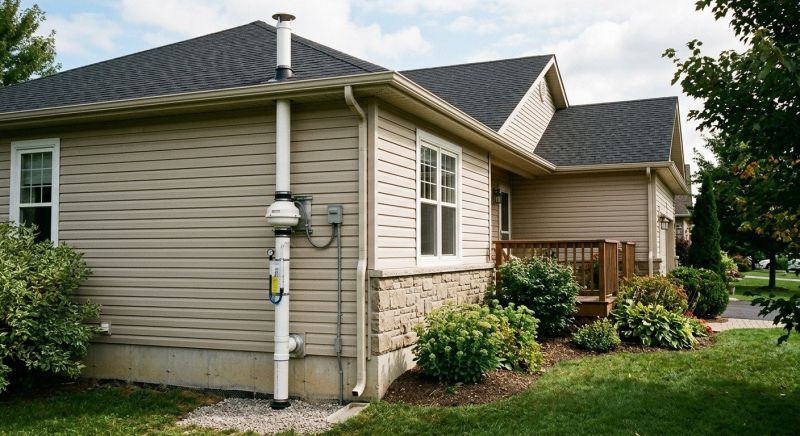
When evaluating options for radon abatement, it’s important to consider the experience of the contractor with similar projects. A reputable provider will have a history of successfully completing radon mitigation work in residential and commercial settings similar to your property. This experience helps ensure that they understand the unique challenges that can arise during the process, whether it’s working within tight spaces, addressing foundation cracks, or installing systems in different types of structures. Knowing a contractor’s background with projects like yours can provide confidence in their ability to handle the specifics of your situation effectively.
Clear, written expectations are essential when comparing radon abatement services. A trustworthy contractor will provide detailed information about what the process involves, including the steps they will take, the types of systems installed, and any necessary preparations or post-installation considerations. This transparency helps avoid surprises and ensures that everyone is aligned on the scope of work. When reviewing options, ask for comprehensive written descriptions to compare what each contractor offers and to confirm that their approach aligns with your needs and expectations.
Reputable references and good communication are key factors in selecting a radon abatement provider. A contractor with a solid track record will be able to provide references from previous clients, especially those with similar properties or challenges. This feedback can offer insight into the quality of work and customer satisfaction. Additionally, open and responsive communication throughout the process indicates a contractor’s professionalism and commitment to keeping you informed. When considering different providers, prioritize those who demonstrate transparency, clarity, and a willingness to answer questions thoroughly, ensuring a smooth experience during what to expect during radon abatement. We proudly provide Radon Gas Abatement services in Chicago, IL and nearby communities.
Property owners in Chicago, IL often search for what to expect during radon abatement when they are planning practical projects around their homes and businesses. Our team provides Radon Gas Abatement services for everyday jobs and straightforward project options.
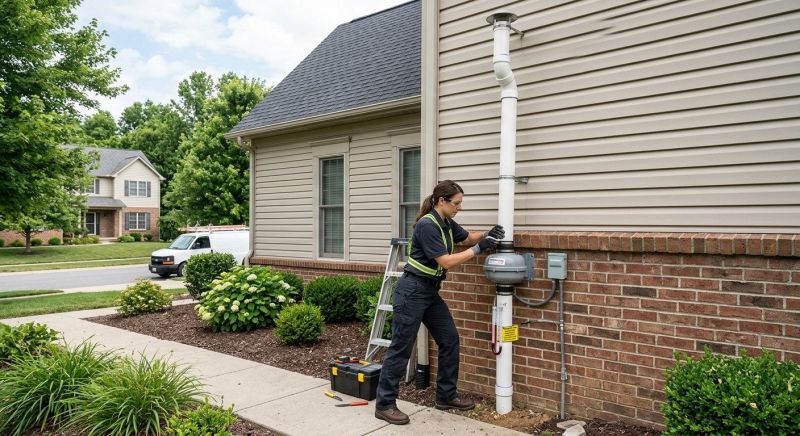
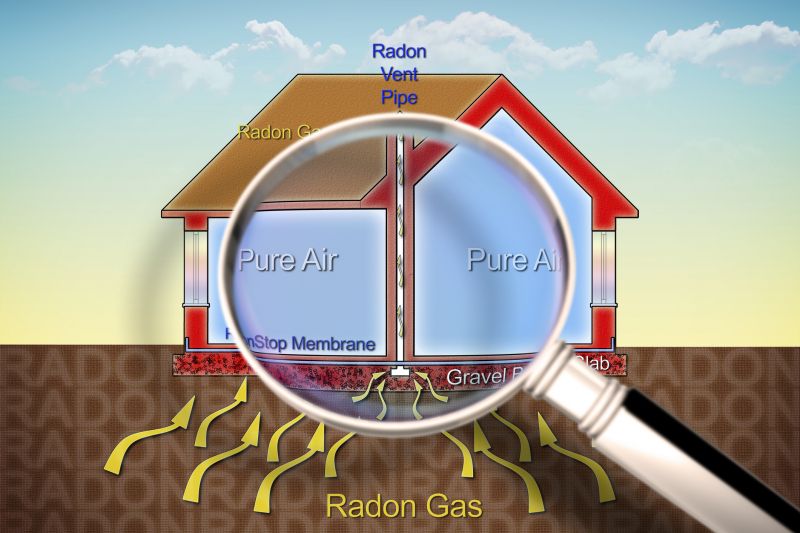
During radon abatement, property owners in Chicago, IL can expect a straightforward process that focuses on reducing radon levels inside the home or building. Typically, the work involves installing a mitigation system that vent radon gas safely outside, often through the basement or crawlspace. Our team will assess the property to determine the best approach, which may include installing a vent pipe through the foundation, sealing cracks, or activating passive systems. Throughout the project, homeowners might notice some minor construction activity, such as drilling or the placement of vent pipes, but these are generally quick steps designed to minimize disruption. We prioritize clear communication and work efficiently to ensure the system is properly installed, helping to improve indoor air quality and provide peace of mind.
Property owners in Chicago searching for information about what to expect during radon abatement often want reassurance that the process is manageable and effective. Common situations include testing the home’s radon levels beforehand, which helps determine the scope of work needed. During installation, some may observe a temporary increase in activity or noise, but this is part of creating a safe, long-term solution. Once the system is in place, a follow-up test is usually recommended to confirm radon levels have decreased to acceptable levels. We proudly provide radon gas abatement services in Chicago, IL and nearby communities, ensuring that each project is tailored to the specific needs of the property and the comfort of its occupants.
What should I expect during radon abatement installation? During radon abatement, our team will evaluate your property, typically installing a venting system that runs from beneath the foundation to the outside, often through the attic or exterior walls. The process involves minimal disruption, with most work done efficiently to reduce radon levels effectively. We ensure that the system is properly sealed and tested to confirm its performance. Our goal is to provide a safe, effective solution with as little inconvenience as possible.
Will there be any mess or damage during radon abatement? Our team takes care to keep the work area clean and minimize disruption. We use specialized tools and methods to avoid unnecessary damage to your property. If any small repairs, such as sealing foundation cracks, are needed, they are performed carefully to ensure the integrity of your home. After installation, we clean up thoroughly, leaving your space ready for regular use.
How does radon abatement affect my home's ventilation and airflow? Radon abatement systems are designed to improve indoor air quality by venting radon gas outside, which can also positively influence overall airflow. The system creates a controlled pathway for radon to escape, reducing indoor concentrations. This process typically does not interfere with your home's normal ventilation but rather enhances safety by reducing radon levels.
What maintenance or follow-up is needed after radon abatement? Once the radon mitigation system is installed, it requires minimal maintenance. We recommend periodic testing to ensure the system continues to perform effectively. If radon levels rise again or if any issues develop, our team can assess and address them promptly. Regular testing is the best way to confirm ongoing safety.
Can I expect any changes to my home's structure during radon abatement? In most cases, radon abatement involves installing vent pipes and sealing cracks, which do not significantly alter your home's structure. If foundation repairs or modifications are needed, they are performed carefully to maintain the integrity of your property. Our team ensures that any work done during radon abatement aligns with your home's existing design and safety standards.
Understanding the process - Property owners will learn what steps are involved during radon abatement, including system installation and testing procedures.
Preparing the space - We advise on how to clear areas around the installation site to ensure a smooth and efficient radon mitigation process.
Post-installation expectations - Customers can expect to see how the system operates and receive guidance on monitoring radon levels afterward.
Addressing concerns - Our team explains common questions about noise, appearance, and system maintenance to help owners feel informed during the process. We proudly provide Radon Gas Abatement services in Chicago, IL and nearby communities.
If you are thinking about what to expect during radon abatement for a property in Chicago, IL, this guide is meant to help you understand this topic, the typical project types, and how different options might fit your plans.
When you are ready, you can use the quote form on this page to share a few details about your project. From there, our team can review the basics and follow up with options that match what you have in mind.